


Notewise - AI Notes, PDF, Docs
4.3583.00 Reviews
App Specs
- Version
- 4.0.4
- Updated On
- License
- Free
- Downloads
- 5,000,000+
- Developer
- Notewise
- Categories
- Productivity
- Platform
- Android
Screenshots
 Analysis by AppCompare
Readable notes are only useful if I can find the right page again, and that is where Notewise - AI Notes, PDF, Docs makes a promising first impression. Its focus on notes, PDFs, and documents puts several common study and work tasks in one place, rather than asking me to keep separate apps open. I like that approach, though I would judge any note app by how comfortably it fits a real routine, not just by how much it can do.
Readability and finding your way around
When I first opened Notewise - AI Notes, PDF, Docs, the clean interface immediately caught my eye. The developers have done a splendid job at keeping things simple yet functional. As someone who’s navigated through clunky apps before, this was a breath of fresh air. Everything is just where you’d expect it to be, with no unnecessary frills.
That kind of uncluttered starting point matters when I am opening a note in a hurry, especially between classes or while checking a document during a meeting. The app is a productivity tool from Notewise, and its basic pitch is straightforward: write notes, work with PDFs, and keep documents together. Its average rating is 4.5 from around 25,000 ratings, with more than 500,000 installs, suggesting that it has found a sizable audience. Those figures are useful context, but they cannot tell me whether a particular layout or writing workflow will suit you.
One practical way I would use the combined format is to keep a source PDF and my related notes within the same working routine. While reading, I can mark a passage and add a comment where it matters, instead of trying to remember which separate note contains my reaction. That reduces the mental bookkeeping involved in research. It is still worth giving notes clear names and a consistent structure: putting everything in one app does not automatically make a crowded notebook easy to search or review.
Writing, reading, and sensory comfort
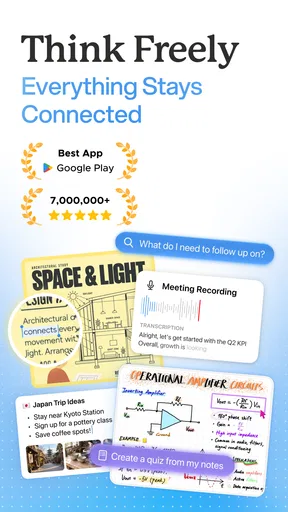
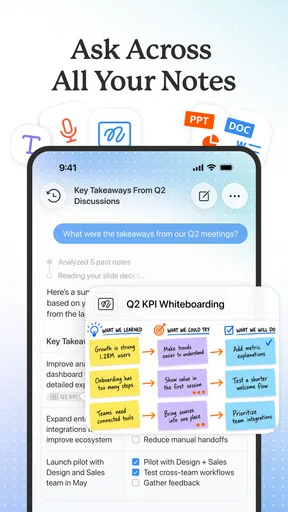
Let’s talk about the features because that’s where this app shines. The app's AI-driven note-taking is its standout feature. You can jot down your thoughts or lecture notes, and the AI does a pretty neat job of organizing and enhancing them for clarity. It’s like having a virtual assistant with you all the time.
For me, AI is most useful as a second pass, not a substitute for paying attention. After a lecture or planning session, I would use it to help make rough notes easier to revisit, then check the result against the original ideas before relying on it. That is especially important for names, technical terms, and instructions where a small wording change could matter. If you prefer to keep your notes entirely manual, the app’s usefulness does not have to rest on AI; the writing and document tools are still the central reason to consider it.
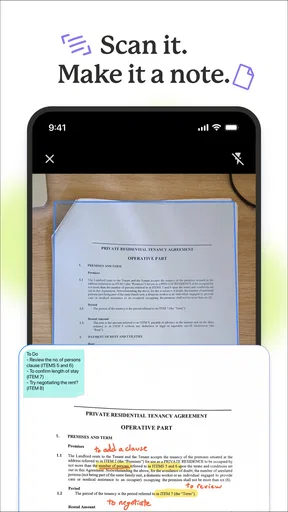
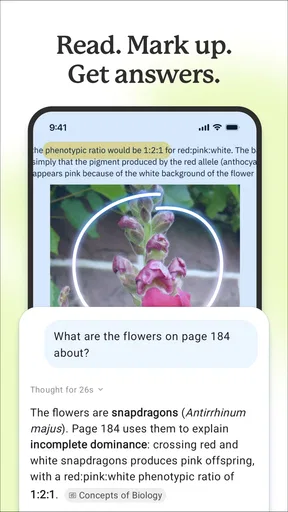
The integration with PDFs is another big win. You can annotate, highlight, and even insert comments directly onto PDFs. For someone who’s constantly dealing with documents, this feature is a game-changer. No more switching between apps—everything is right here.
Worth Reading Before You Choose

Flipboard Shows What News Apps Must Do Beyond the Feed

Switching to Android Auto Means Rethinking Your Driving Routine

Google Calendar Makes a Crowded Week Easier to Manage

Ludo King Makes the Most of the Minutes Between Plans

Baby Panda World Brings Quick Play to Modern Phones, but Its Game Library Feels Busy

ESPN’s Live Game View Makes Following Close Games Easier
PDF markup can also help readers who think better by making connections directly on the page. A useful habit is to keep highlights selective and use comments for questions or summaries; coloring every paragraph can make the important points harder to distinguish later. If a document is dense, I would work through a few pages at a time and pause to review the annotations rather than treating the PDF as a place to collect marks without a plan.
Customization is where things get personal. Whether you’re a fan of dark mode or prefer a certain font style, Notewise offers plenty of options to tailor the experience to your liking. I spent a good chunk of time just playing around with the settings, and it’s safe to say, it’s quite enjoyable.
Those choices can make extended reading or writing feel more comfortable, but they do not guarantee that every screen will work equally well for every person. I would test the settings with the material I actually use: a long lecture note, a crowded PDF, and a quick handwritten page. That gives a better sense of whether the contrast and text presentation feel manageable in practice. If you rely on a particular accessibility setting at the device level, it is sensible to check how it behaves inside the app rather than assume every control will respond exactly as expected.
Motor comfort and different ways of working
Writing and marking up documents can involve very different kinds of effort. Someone using a stylus may find a handwritten page natural, while another person may prefer typing because precise pen movements are tiring. I would choose the method that feels sustainable over a full study session, not the one that looks most like paper. For PDF review, short comments and focused highlights can also be less demanding than repeatedly switching between writing tools and navigating controls.
A realistic example: I could open a reading before class, mark a few sections that need attention, then add questions in the margins as I go. Later, I could turn to my lecture notes and use the AI assistance to make my rough points easier to scan. The useful part is the sequence: capture first, tidy later, and revisit the source when something seems unclear. It avoids the pressure to produce perfect notes while trying to listen.
There is a trade-off here. An all-in-one workspace can reduce app switching, but it also means a busy notebook or a dense page may take more care to navigate. If you have limited hand mobility, fatigue, or a sensory preference that makes small controls uncomfortable, test the tasks you do most often before moving an entire workflow over. A clean first screen is encouraging, but day-to-day comfort depends on the details of repeated writing, selecting, and scrolling.
Situational access and keeping work together
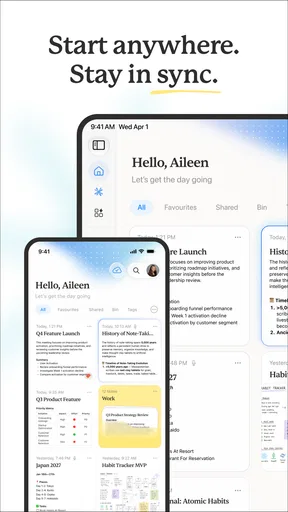
And let’s not forget about the cloud sync. Your notes and documents are accessible across devices, which is perfect for those moments when you leave your tablet at home but desperately need to access your notes.
That flexibility is useful when a task moves between places: I might mark up a reading at home, then check a note from another device while away. It can also help separate capture from review, so I do not need to finish organizing everything on the same screen where I first wrote it. Before depending on any synced note for an important appointment or class, I would make sure the material I need is available on the device I plan to carry; that small check is better than assuming every situation will have the same connectivity.
Compared with a basic notes app, this one is more appealing if PDFs are part of your regular work and you want annotations alongside your notes. Compared with a dedicated PDF reader, the attraction is having note-taking and document work in the same environment. A plain text notebook may still be the better choice if all you need is quick lists and simple reminders, while a highly specialized document workflow may call for a tool built specifically around that job. I would choose Notewise when the combination is the point, not merely because a longer feature list sounds impressive.
Where the workflow can still feel demanding
Performance-wise, this app runs like a dream. I tested it on both Android and iOS, and it was smooth sailing across the board. No lagging, no crashing—just a seamless experience. It’s ideal for those marathon note-taking sessions where interruptions are unwelcome.
Even a smooth app can ask users to make choices about how they organize their material. If you put every class, project, and document into one space without a naming habit, finding the right item later can become the real obstacle. I would start with a small number of clearly named notebooks or notes and decide what belongs in each before importing a large collection. That is a modest setup step, but it helps preserve the benefit of having related work together.
There is also a difference between a feature being available and it being the right fit. AI-generated cleanup should be reviewed, not treated as an unquestionable record; handwritten input is not automatically the easiest option for everyone; and PDF annotation is most effective when you can read the page comfortably. If your priority is a very simple checklist, a lighter app may involve less setup. If you need to collaborate on documents in a specific way, check that the actual workflow you require is supported before committing your files.
Who is likely to get the most from it?
This app is perfect for students, professionals, and anyone who finds themselves buried under a mountain of notes and documents. The AI features are especially helpful for students who need to organize lecture notes quickly or professionals managing a hefty workload.
I would particularly recommend trying it if your week involves moving between handwritten notes, reading PDFs, and reviewing your own comments. A student can annotate a course reading and keep questions close to the material; a professional can mark up a document and later consult related notes without reconstructing the context from several apps. The developer is Notewise, and the app is free to start, with in-app purchases ranging from $0.99 to $89.99 per item. That makes it reasonable to explore the basic workflow first and decide whether any paid option is worthwhile for your needs.
It is less compelling if you want only a bare-bones note pad, dislike organizing information inside an app, or do not expect to work with PDFs. The app is rated for Everyone, and its current version is 3.4.5, with Android support listed from version 8.0. I would still judge suitability by the device and the way you interact with it, especially if accessibility needs are central to your choice; an age rating does not tell you whether a particular interface is comfortable for you.
A thoughtful choice for notes and documents
In conclusion, Notewise - AI Notes, PDF, Docs is a robust app that caters to a variety of needs. Its user-friendly interface, AI-enhanced features, and seamless performance make it a must-try for anyone looking to enhance their productivity. Whether you’re a student, a professional, or just someone who loves taking notes, this app is worth checking out.
My recommendation is to test it with one real task rather than migrate everything at once: annotate a PDF you already need to read, write a short set of notes, and see whether the combination makes your next review easier. That will reveal more than browsing settings alone, including whether the writing style, navigation, and AI assistance suit your habits. For people who regularly move between notes and PDFs, that joined-up approach is the strongest reason to give it a try. For everyone else, a simpler notes app may be easier to live with.
Ready to take your note-taking game to the next level? You can download Notewise from the App Store or Google Play, and start experiencing the magic firsthand.
Pros
- Intuitive interface
- easy to navigate.
- Seamless integration with PDF and Docs.
- AI-powered features enhance productivity.
- Supports multimedia note attachments.
- Cross-platform synchronization available.
Cons
- Limited offline functionality.
- Some features require a subscription.
- Occasional lag with large files.
- AI suggestions can be repetitive.
- Customization options are limited.
FAQs for Notewise - AI Notes, PDF, Docs
What features does Notewise offer for note-taking?
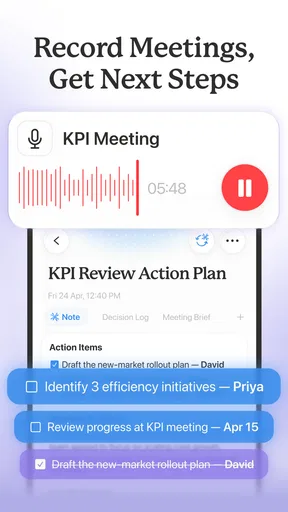
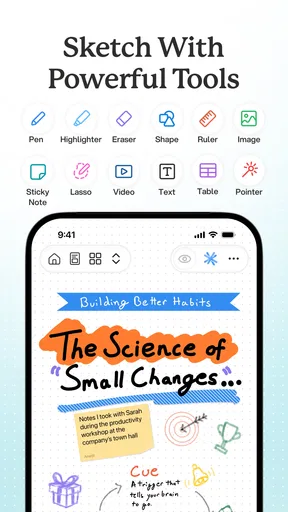
Notewise provides a robust set of features for note-taking, including AI-powered organization, voice-to-text transcription, and seamless integration with PDF and document editing. The app also supports multimedia notes, allowing users to attach images, audio, and video files to their notes, making it a versatile tool for students and professionals alike.
Is Notewise compatible with both Android and iOS devices?
Yes, Notewise is fully compatible with both Android and iOS platforms. The app offers a consistent experience across devices, allowing users to sync their notes and documents seamlessly between smartphones and tablets, ensuring access to their information anytime, anywhere.
How does the AI feature enhance the note-taking experience in Notewise?
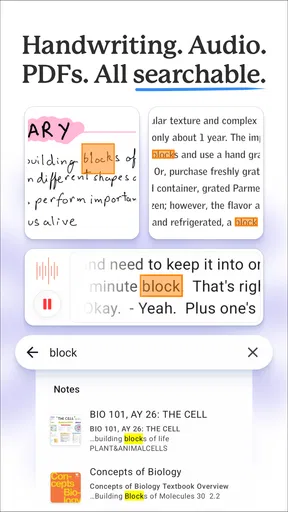
The AI in Notewise enhances the note-taking experience by providing smart suggestions, auto-categorization, and keyword tagging. This intelligent system helps users organize their notes efficiently, retrieve information quickly, and even generate summaries, making it an invaluable tool for managing large volumes of information.
Does Notewise support collaboration and sharing with others?
Yes, Notewise supports collaboration by allowing users to share notes and documents with others in real-time. Users can invite collaborators, assign editing permissions, and track changes, making it ideal for group projects or team-based tasks. The app also integrates with popular cloud storage services for easy sharing.
What are the premium features available in Notewise, and is it worth upgrading?
While Notewise offers a robust free version, upgrading to premium unlocks additional features such as advanced AI capabilities, increased storage, and enhanced security options. Premium users can also enjoy ad-free usage and priority customer support. For power users who rely heavily on note-taking, the upgrade can be a worthwhile investment.


